Part 27: Ophelia's Willow, Psalm 137, & Religious Refugees
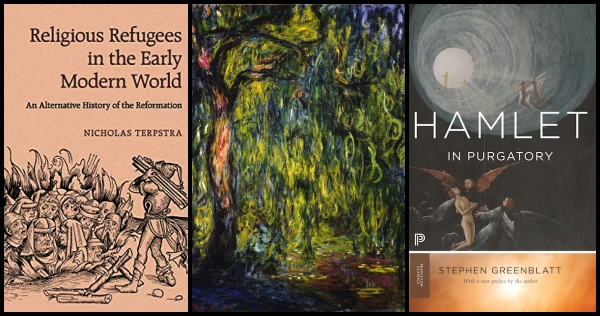
Ophelia hangs coronets on a willow . Why a willow? One of the older known willow poems is Psalm 137,[1] about Israelites taken captive to Babylon, forced to sing for their captors. They hung their harps on willows [2]: "How shall we sing [...] a song of the Lord in a strange land?" [3] “Babylon” became a Protestant metaphor for the corruption of Roman Catholicism in continental Europe and in England under Catholic monarch Mary I. Protestants were internal religious refugees, captives in their own lands. When Protestant Elizabeth became queen, Catholics and Puritans became the new internal religious refugees. [4] Hamlet wants to go back to Wittenberg (associated with Luther), but Claudius and Gertrude oppose it. The censors and master of revels would never allow a play about England’s internal religious refugees (Protestant, Catholic, or Puritan), but Shakespeare could have his prince and internal refugee say, “Denmark’s a prison.” (2.2.262) For internal religious refugees ...