Posts

Showing posts with the label Albert Einstein

Hamlet, All Saints, and Discourse with the Dead
Image
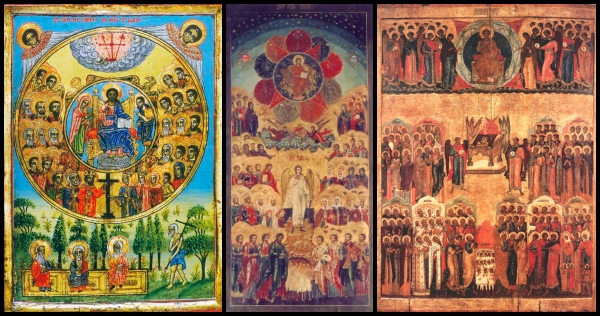
Shakespeare’s Hamlet is a play that is in part about how we relate to the dead: What, if anything, do we owe the dead? What can we do for them, or they for us? The play bears the scars of the Reformation. The ghost seems to be Catholic, but his son was sent to study at Wittenberg, made famous in part by Martin Luther. Long before Calvin and Luther, the Catholic Church had made efforts at reform in fits and starts, some successful, many not. Many Catholic theologians and historians believe that reformation thinkers like Martin Luther were correct in their perception of abuses in need of reform, and of stubborn resistance. Protestantism cut off many of the faithful from the idea that they could ask saints to intercede for them, to pray with them, to advocate for them. The first of the Ten Commandments said that there was only one God, and that believers were to worship that God alone. And yet the creed also taught that there was a resurrection, and that living Christians were united in...
Honoring the (Sometimes Dishonorable) Dead in Hamlet, the Oedipus Cycle, & in a Time of Pandemic

Image
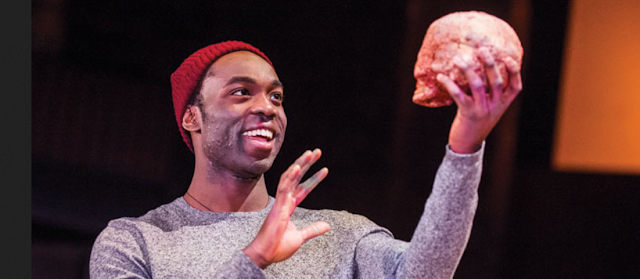
Why do we honor the dead? How might we best honor them, if while living, some of them greatly dishonored themselves? What if their dishonorable actions are hidden behind a veil of family lies or state propaganda? In Hamlet as well as other famous works of literature, honoring the dead, usually the dead kings or princes, sometimes by avenging their deaths or bringing murderers to justice, is a recurring theme. I was reminded of this yet again over the past two weeks by watching the 2018 Shakespeare’s Globe production of The Two Noble Kinsmen by William Shakespeare and John Fletcher. In The Two Noble Kinsmen , three queens complain that their husbands have been dishonored by being left unburied after battle, echoing a theme from Antigone in the Oedipus cycle. In Hamlet , the prince feels his mother and uncle have dishonored his dead father by not mourning long enough, and by what would have been considered a biblically incestuous marriage in Shakespeare’s England. Honoring the dead wa...