Why King Hamlet's Theft Matters: Eighth Commandment - Do Not Steal (series)

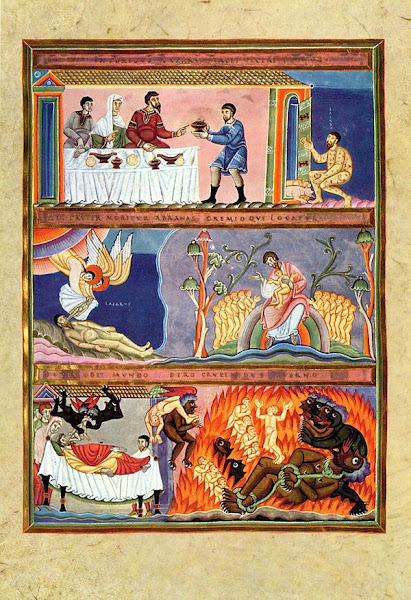
WHY KING HAMLET'S THEFT MATTERS: Eighth Commandment - Do Not Steal (series) Some editors and scholars imply that King Hamlet’s victory over Old Fortinbras in single combat should be judged by different standards, assuming that they represent a pre-Christian culture in which honor and violence were more central [1]. This is problematic, especially since the ghost claims he is being purged in fire of his “foul crimes” [2] and that at his death, he believes the poison that killed him also turned his skin all “lazar-like” [3]: lazar, after the beggar Lazarus who was neglected by the rich man, and who had sores all over his body [4], often assumed to be leprosy. A Christian and biblical worldview in Shakespeare’s time would claim that all things are gifts from God, and that human beings, even kings, are only stewards. The proud rich man was therefore obligated to be generous with the beggar Lazarus, but instead neglected him, effectively stealing from God and the beggar what...