Posts

Showing posts with the label End Times

Religious and Biblical Allusions in Hamlet 1.1

Image
Many viewers and readers of Shakespeare's Hamlet (including me) approach the play from a secular point of view. Yet historians and Shakespeare scholars know that the play was written at a time when there were many religious controversies: Shakespeare's older sister had been baptized Catholic under "Bloody" Mary I, when Protestants had been burned at the stake as heretics. Shakespeare had been baptized under Protestant Elizabeth I, during whose reign many Catholics were executed as traitors, hung until nearly dead and disemboweled so they could see their organs ("drawn and quartered"). Catholics believed in transubstantiation, that the host was actually the body of Christ, but English Protestants took that language less literally. Catholics believed in purgatory, that imperfect but mostly good souls might be purified before entry into heaven, while Protestants believed that at the moment of death, one's fate was sealed, bound for heaven or hell at th...
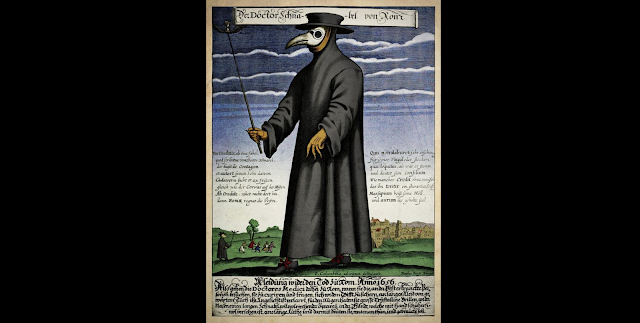
Plague, Pox, & Disease in Shakespeare

Image
Words like “Plague,” “Contagion” and “Pestilence” occur in Shakespeare’s works a surprising number of times, and that includes Hamlet. Because of the Covid-19 crisis, my readers may already have noticed that media outlets and Shakespeare organizations are sharing and re-publishing articles about black plague and smallpox in Shakespeare’s lifetime. [Copper engraving of Doctor Schnabel (i.e., Dr. Beak), a plague doctor in seventeenth-century Rome, circa 1656, public domain, Wikipedia ] With all of the changes in the world and in my state of Minnesota, with school closings, and conferences and sporting events canceled, I decided it was time to do a little research about Shakespeare and the plague and the pox, as well as some research about occurrences of these words often associated with them. Web Resources Among the many good web resources on plague, smallpox, and diseases mentioned in Shakespeare, here are a few of my favorites: James Shapiro: “How Shakespeare’s great escape f...