Posts

Showing posts with the label Hadestown

Two podcasts on Hamlet from Patrick Page of "Hadestown" and "All the Devils"
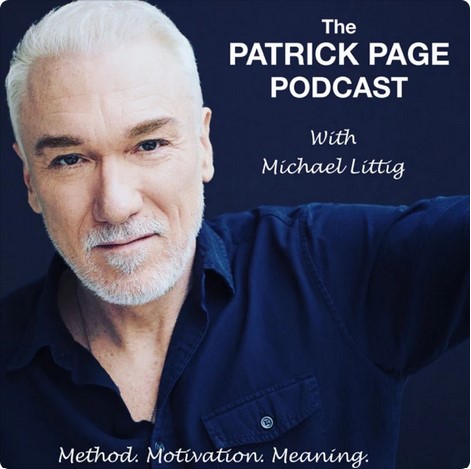
Image
I am still on a bit of a break while researching for my next post in the Lazarus-in-Hamlet series. That next post will step back to examine other instances of "Lazarus," "lazar," "beg," and "beggar" in other works of Shakespeare besides Hamlet. (There are hundreds of instances of "beg," "beggar," "begging," "beggary.") But meanwhile, my daughter is a huge fan of the musical, Hadestown (words and music by Anaïs Mitchell), in which Patrick Page has played the role of Hades. Page has a podcast in which he occasionally discusses Shakespeare and Hamlet . [Image from Patrick Page Podcast . Fair use.] He has played many roles in Shakespeare plays, and also has a new one-man show, All the Devils are Here , via the Shakespeare Theater Company in Washington D.C. , a show whose title is taken from a line spoken by Ariel in The Tempest . The show features many Shakespearean villains, and was written and performed...

Sleuthing Biblical Contexts of Lazarus Echoes in Hamlet (Part 5)

Image
IF SHERLOCK HOLMES had been assigned to investigate a murder (perhaps of a king?), and if the evidence included multiple references to the tale of "Lazarus and the Rich Man," both explicit and subtle, implicit, or veiled, he would be remiss if he neglected to review one of the main sources of the tale, the 16th chapter of the Gospel of Luke (reprinted here from the Geneva translation at the end of this blog post). [Sherlock Holmes image via Public Domain Images-dot-net . Geneva Bible front page via Wikimedia Commons .] If the murder involved Shakespeare references to the Lazarus tale, he might check both the Bishop's Bible translation (which was read in church in Shakespeare's lifetime), and the Geneva translation, most common in home copies of at the time. Representations of the tale of Lazarus and the Rich Man were manifest in many ways in Shakespeare's England, in church art and architecture, in song and official sermons, and transformed in folk ...