Research is like raspberry picking

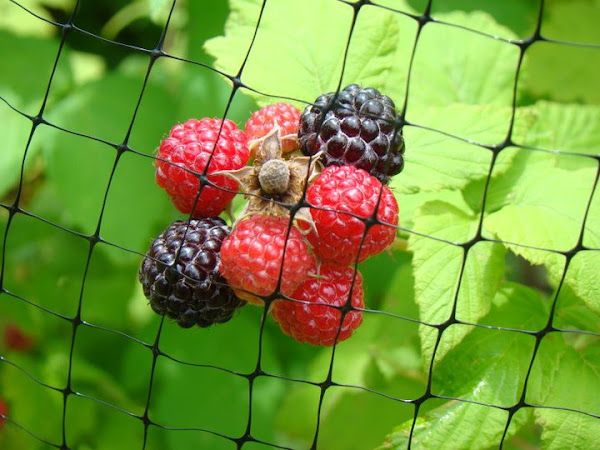
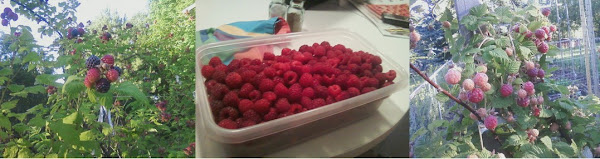
We have raspberries in our backyard: red, black, and purple,[1] including four varieties of reds. They grow on canes: First year canes don't bear fruit; patience is required. Once fruited, old canes can be cut out to make room for next year's harvest. Berries start green, turn white-yellow, then pink, then slowly become their final color. Pick them too early, and they are bitter, hard; too late, fermented (yum!) or bug-infested (yuck!). Our purples are largest; blacks, smallest. Some varieties (reds, purples) send out roots that sprout new canes. They are surprisingly good at seeking fertile soil. More often than not, black raspberries spread when long first-year canes reach out like arching fishing poles, whose ends bend down to the ground where the tips send out tendrils to root. If you want to keep them from taking over a garden or a part of the yard, it's important to direct where the canes touch the ground so that the new plants stay in their rows. (These canes are lik...