Shakespeare's Staged Resurrections and What to Make of Them

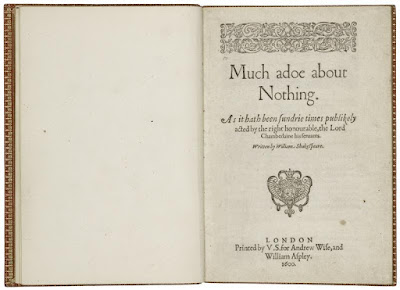
It is said that in Shakespeare’s plays, all resurrections are staged, faked: Much Ado About Nothing (Hero) [1]; Henry IV, Part 1 (Falstaff) [2]. Staging can fail badly: Romeo and Juliet [3] (as if to admit the limitations of such staging?). Poor Tom/Edgar stages a miracle for Gloucester in King Lear [4]. Sonnet 18 ends, “So long as men can breathe, or eyes can see, / So long lives this, and this gives life to thee,” as if the poem bestows (stages) everlasting life. What to make of this? As is said in Hamlet of Ophelia’s “mad” speech, many will “botch” these facts up “fit to their own thoughts” [5]: Atheists may claim this proves Shakespeare’s atheism. Christians may note: Miracle and Mystery Plays were banned by Henry VIII, still restricted in Elizabethan times. Even if Shakespeare wanted to portray resurrections, his hands were tied. Many of Hamlet’s verbal tricks with Claudius [6] and Polonius [7] (and Claudius again [8]) – and the gravedigger’s with Hamlet [8] – depend on ta...