Posts

Showing posts with the label Hegel

Fear, strangers as angels, (self-) transcendence, and the usefulness of failure
Image
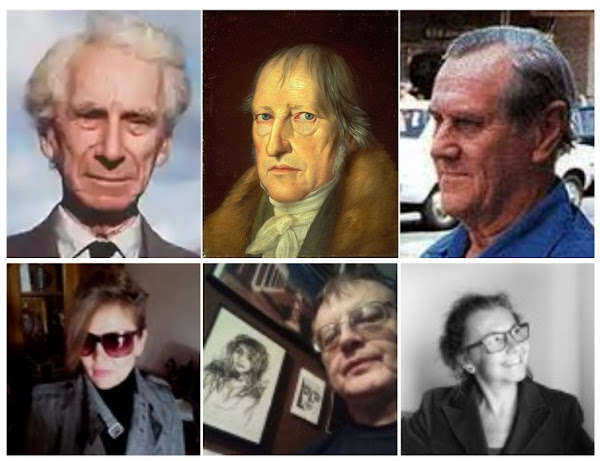
A number of weeks ago, three of my LinkedIn connections posted some passages from various sources that caught my attention and seemed somewhat related, as if belonging in a cluster - and to which I would add a fourth. 1) Gordana Lekovic shared the following quote from Bertrand Russell (British philosopher, 1872–1970), among other Russell quotes: “It is normal to hate what we fear, and it happens frequently that we fear what we hate. I think it may be taken as the rule among primitive men, that they both fear and hate whatever is unfamiliar.” This seems natural or normative, like a survival instinct: We hate and fear our enemies, as we often do strangers. 2) But this brought to mind Hamlet’s words to Horatio: Late in 1.5, upon seeing the ghost again, Horatio says, “this is wondrous strange!” Hamlet replies, “And therefore as a stranger give it welcome.” Hamlet seems to be thinking of the biblical injunctions to welcome the stranger: Hebrews 13:2 (in the Geneva translation wi...
Conflicting Goods & the COVID-19 Crisis in Reopening US Schools

Image
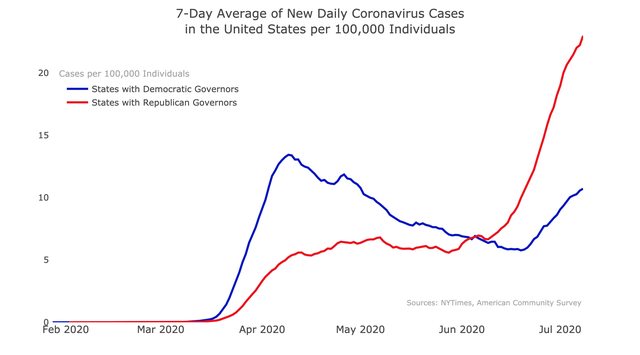
In Paul A. Cantor’s insightful introduction to the Cambridge University Press Hamlet (2004, 2012) , he notes a number of things that made me think of the current conflicts in the US over whether students should return to school in the fall. Cantor notes the definition of tragedy in Hegel's Aesthetics , not as a conflict of good and evil, but as a conflict of two goods. Cantor notes, "A straightforward confrontation of good and evil is a fundamentally melodramatic situation. If good triumphs we rejoice, and if evil triumphs we lament, and in either case our sympathies are clear-cut and there is nothing in the outcome to perplex us. But in a dramatic situation in which both sides have a legitimate claim on our sympathies, no outcome can provide a simple resolution of our feelings. No matter which side wins, we feel that something good has been defeated or destroyed." (12) This may oversimplify, because in Hamlet , we have more than two characters, and more than two t...